
- Millions of Iranians could lose access to US-backed VPN services
- The Open Technology Fund (OTF) said demand for VPNs has risen from 7.5 to 25M
- The OTF needs $10M in funds, with US agencies slow to approve
Millions of Iranians could lose access to vital VPN services "as soon as next week" as US agencies struggle to secure funding for an internet freedom group tasked with supporting the country's surge in demand.
The warning comes from the Open Technology Fund (OTF). Its president, Laura Cunningham, told Bloomberg that the team "will be forced to make difficult decisions" if US officials cannot provide the $10 million required to cope with a massive spike in users. Demand for censorship circumvention technology in the region has recently skyrocketed from 7.5 to 25 million users.
The Iranian government imposed a near-total communication blackout on January 8 in response to mass anti-government protests, severing fixed-line internet, mobile data, and international voice calls.
While connectivity has been slowly restored since the end of January, the latest data shows that internet traffic remains heavily restricted. VPN services and other circumvention tools currently represent the only way for Iranians to bypass state censorship and access the global internet.
OTF and VPN funding — what we know
The OTF is a US-based non-profit organization that provides vital resources for anti-censorship technologies. Its work supports a range of privacy-focused tools — including VPNs, the Tor browser, and Psiphon — while funding researchers who promote digital rights and internet freedom globally.
The group is primarily funded by the US government through the US Agency for Global Media (USAGM). According to its website, these resources are dedicated to supporting programs that "promote Internet freedom globally," often serving as a financial lifeline for open-source tools that would otherwise struggle to scale during times of crisis.
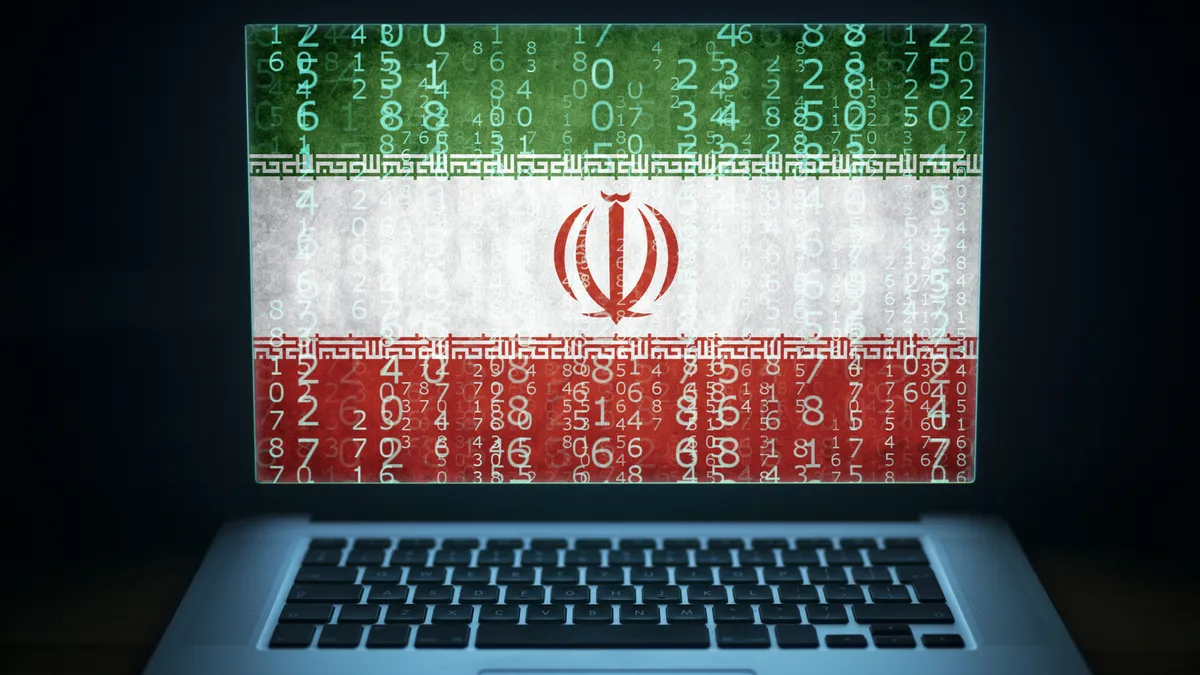
Iran has reportedly begun implementing a permanent "whitelisting" system to tighten its control over the internet. Experts warn that such a system — which only allows pre-approved traffic — could make the use of standard VPN services significantly harder, if not impossible.
Cunningham explains that the typical funding mechanism involves the State Department providing money to the USAGM, which then allocates it to the OTF. This process generally takes no more than a couple of weeks.
However, internal disputes have caused a major bottleneck. According to letters seen by Bloomberg, the USAGM, the US State Department, and several US Senators are currently unable to agree on a viable path to authorize the necessary $10 million.
In a letter dated February 5, USAGM Deputy CEO Kari Lake suggested that official sign-off for the funding "would take months." Lake recommended that the OTF instead use its existing budget to cover the surge in demand originating from Iran.
This proposal was met with pushback from Republican Senators Lindsey Graham and James Lankford, who argued that redirecting existing funds would compromise vital programs in China, Cuba, and Russia.
OTF board chair Zack Cooper also criticized the delay, telling Bloomberg that if the USAGM wanted the OTF to have these additional resources, the funding would have been cleared already.
These financial hurdles follow a series of budget cuts and staff reductions at the USAGM initiated by the Trump administration throughout 2025 and early 2026.
We have approached the OTF for further comment.
Follow TechRadar on Google News and add us as a preferred source to get our expert news, reviews, and opinion in your feeds. Make sure to click the Follow button!

You must confirm your public display name before commenting
Please logout and then login again, you will then be prompted to enter your display name.