
PC gaming has had its ups and downs over the years, with many games launching in a poorly optimized state. It's an issue that has been more prevalent recently, and Nvidia's DLSS and AMD's FSR upscaling have both been implemented across multiple titles to help improve performance.
Nvidia's latest iteration, DLSS 4.5, is an incredible upscaling tool that significantly improves image stability and clarity, even when using aggressive upscaling methods (namely, the DLSS Performance mode) for better frame rate results.
Previous iterations of DLSS have also been monumental in allowing lower-end RTX GPUs to perform at reasonable frame rates – while DLSS 4.5 is a bigger task for RTX 3000 and 4000 series cards to handle, DLSS 4 is still a viable solution.
Frame generation isn't an effective solution
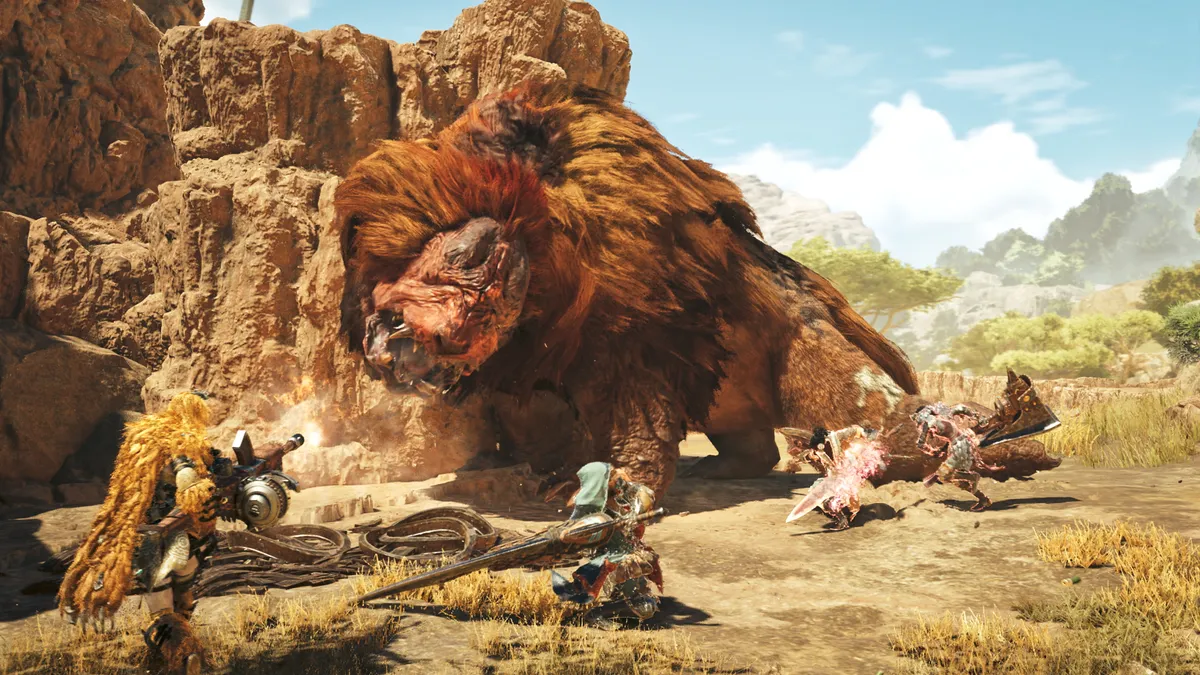
In several recent cases, games have launched with noticeably poor performance due to a lack of optimization, and frame generation is often touted as a solution to improve frame rates.
If you weren't aware, using frame generation in a game with a low base frame rate (or even worse, one with consistent stutters due to poor frame pacing) leads to a choppy and unresponsive experience.
Unfortunately, Capcom's Monster Hunter Wilds is a prime example, as it launched with very poor performance on both low- and high-end hardware. In the game's system requirements (which you can find on Steam), an additional note states, 'this game is expected to run at 1080p, 60 fps with Frame Generation enabled under the Medium graphics setting'.
As a Monster Hunter fan, I've played hundreds of hours of Wilds on an RTX 4080 Super, and I can attest that playing the game since its launch without DLSS Frame Generation was a nightmare. The game failed to maintain a standard 60 fps in many cases, even when actively using DLSS super resolution to upscale from 720p.

Now, a year after launch, Capcom's recent major performance patch fixed many of the performance woes by reducing stutters and improving 1% lows (that's the average framerate during the slowest 1% of gameplay). Let me make that clear: it took an entire year of relying on DLSS Frame Generation before Capcom could get Wilds to perform at an acceptable standard.
I don't think I can stress enough how untenable that is, considering many PC gamers aren't using high-end CPUs or GPUs – as evidenced by the Steam Hardware Survey – and when frame generation itself struggles, it leaves users with lower-end hardware with even bigger performance problems.
It's not just Monster Hunter Wilds, either. We've seen the same overreliance on DLSS upscaling with Borderlands 4, to the point that Gearbox Interactive's CEO, Randy Pitchford, lashed out at consumers for criticisms over the game's poor optimization, urging them to use DLSS 4 and its Frame Generation for better performance. Never mind the fact that some people literally don't have that option...
DLSS 4.5 could make matters worse

Again, I have little to no complaints with the regular resolution upscaling functionality of DLSS 4.5, as it's made PC games easier to run on low-end hardware, and further improves image quality at high resolutions on beefier PC configurations.
What concerns me is that the more DLSS improves, the more game developers may feel incentivized to rely on upscaling as a shortcut rather than spending more time and effort on optimization.
DLSS 4.5 Dynamic Multi-Frame Generation is on its way to RTX 5000 series GPUs soon, and it sounds like an amazing tool that automatically shifts between different frame gen multipliers (2x, 3x, and so on), depending on what's needed – in other words, how graphically demanding a sequence is, or high the graphical settings are.
With DLSS 4.5 6x Multi-Frame Generation also on its way, Nvidia seems intent on getting new games running at exorbitantly high frame rates. However, based on the evidence we have on developers relying on DLSS's Frame Generation feature, I'm worried that the prevalence of DLSS will make matters worse for users who don't have access to a brand-new GPU.

Fortunately, some upcoming games have given me positive signs, notably Pearl Abyss' Crimson Desert.
The open-world action-adventure game is being built using Pearl Abyss' proprietary engine, and PR director Will Powers has indicated that the developers are focused on optimizing the game natively, with tools like DLSS viewed as an optional additional boost to be applied at the player's discretion.
Unfortunately, I doubt this will be the case for most game developers, and I'm expecting multiple game titles to launch this year using upscalers and frame-gen as a stopgap fix for performance woes.
DLSS 4.5 is supposed to be a major benefit to PC game performance, but history tells me it's going to be massively misused – and I have to admit that this time around, Nvidia isn't really the one to blame.
Follow TechRadar on Google News and add us as a preferred source to get our expert news, reviews, and opinion in your feeds. Make sure to click the Follow button!
And of course, you can also follow TechRadar on YouTube and TikTok for news, reviews, unboxings in video form, and get regular updates from us on WhatsApp too.

You must confirm your public display name before commenting
Please logout and then login again, you will then be prompted to enter your display name.